Why Browning Is the Foundation of Flavor
How simple browning transforms bland into complex — the science, the common mistakes, and practical ways home cooks get deep, caramelized flavor without burning.
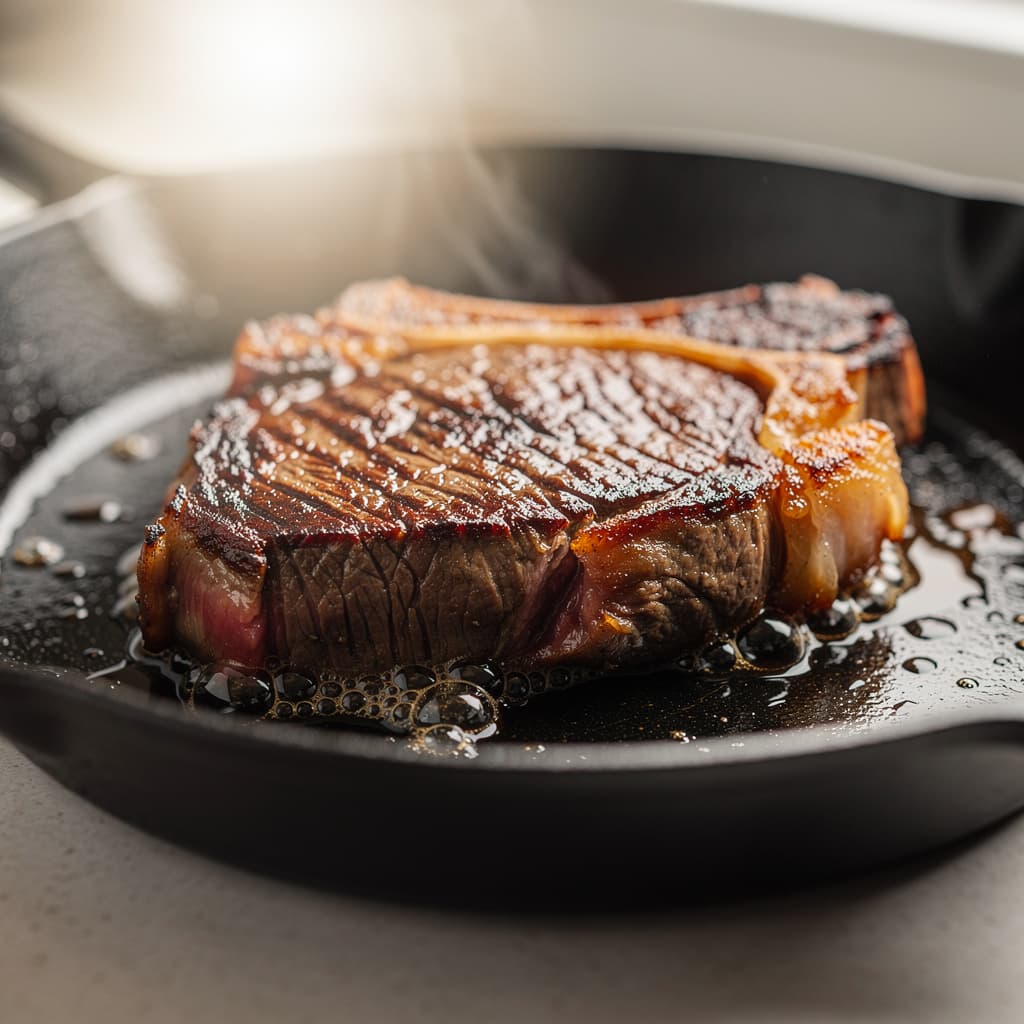
There’s a small, quiet alchemy that happens the moment food hits a hot pan: sugars and amino acids rearrange, fat perfumes, and the plain becomes richly savory and complex. That alchemy is browning — most often the Maillard reaction — and it’s the reason a roast chicken, a caramelized onion, or a golden sear on a steak tastes so much more interesting than the raw ingredients that went in.
What browning actually is (and why it tastes like magic)
When we talk about browning in the kitchen we usually mean two related processes: the Maillard reaction and caramelization. The Maillard reaction is a chemical dance between amino acids (from proteins) and sugars that begins to sing at higher temperatures, producing hundreds of new flavor compounds — nutty, roasted, toasty, savory notes you won’t find in the raw components. Caramelization is the thermal breakdown of sugars, producing sweet, nutty, and slightly bitter flavors that we associate with browned vegetables and crusty bread.
Both are temperature-driven. The Maillard reaction typically becomes noticeable at roughly 285–330°F (140–165°C), while caramelization for common sugars starts a bit higher, around 320°F (160°C). Those temperature ranges are important because they explain the everyday problems that stop browning before it happens.
Why moisture is the enemy of a good sear
A kitchen fact that changes how you approach searing: water boils at 212°F (100°C). As long as the surface of your food (or the pan) is wet, that surface temperature will cling to the boiling point until the moisture evaporates. At 212°F you’re well below the Maillard window. So instead of browning, you get steaming — pale, soft, often bland.
This is why you’ll see advice to pat things dry. It’s not about cruelty to the ingredient; it’s about thermodynamics. Removing surface moisture lets the pan’s heat raise the food’s surface temperature into the Maillard zone quickly. If you’re working with very wet vegetables or marinated meats, give them a moment to shed excess liquid or transfer them to a hot pan in thin, dry pieces so they can brown rather than steam.
A few practical notes about salt and moisture: salt draws moisture out, so salting too early can increase surface wetness and delay browning. For thin cuts or quick sears, salt just before cooking. For thicker cuts, salting well ahead can be fine because the salt eventually reabsorbs and seasons the interior — but that’s a separate timing consideration.
Why crowding ruins browning (and how to think about pan geometry)
Crowding a pan is another common mistake. When you overload the cooking surface you do two things: you lower the pan’s temperature (because the food absorbs heat) and you trap moisture between pieces. Both steer the cook away from browning and toward steaming.
Think in terms of contact and surface area: good browning needs direct contact with a hot surface and space for moisture to escape. If pieces are touching each other or plated shoulder-to-shoulder, the portions that touch won’t form that dry, caramelized crust. Instead they release juices that pepper the pan with steam.
The solution is simple and practical: give ingredients room and be willing to work in batches. A hot pan and fewer pieces produce faster, deeper browning; the small time cost of extra batches is more than repaid in flavor.
How to get caramelization without burning: manage heat and fat
Talking about heat sounds technical, but the practical rules are easy and sensory. The goal is to get the surface temperature into the Maillard zone and keep it there long enough for flavor compounds to form — without sprinting past into bitter, burnt territory.
Choose your pan and fat to match the job. Heavy pans (cast iron, stainless steel) hold heat and give consistent contact, which helps browning. Oils with higher smoke points (grapeseed, refined avocado, light olive oil) let you run the pan hotter before the fat breaks down. If you love butter’s flavor, finish with butter at the end or use clarified butter/ghee for higher-heat work so you get butter notes without early burning.
Use sound cues: a properly hot pan will make a brisk, lively sizzle when food hits it; if nothing happens, the pan isn’t hot enough. Once the food is in, resist the urge to fiddle. Let a crust form — proteins and sugars will release and then the food will naturally lift from the pan when a good sear has formed. If you pry too early you risk tearing and losing the fond.
When caramelizing vegetables that contain more sugar (onions, carrots, peppers), lower and slower can be better. Sugar will caramelize and then quickly darken; patience over medium heat lets the interior soften and the exterior slowly turn golden without a bitter finish. For denser or starchy items like potatoes, a modestly higher heat (with more initial oil) helps form a crust while the interior cooks.
A simple timing heuristic: for thin items or small cuts, a good sear happens in 2–4 minutes per side on medium-high; for larger cuts, the goal is to build color in short bursts of high heat, then finish at a gentler heat to avoid charring. These ranges depend on stove and pan; use sight, smell, and touch as your thermostat.
Using the fond: why the brown bits are pure flavor
One of the great rewards of careful browning is the fond — the dark, sticky bits left on the pan. They’re concentrated flavor. Scrape them up with a splash of liquid (stock, wine, or water) — called deglazing — to dissolve and carry those flavors into a sauce or glaze. That single, small action turns surface caramel into integrated depth for an entire dish.
A short practice loop to build confidence
Try a tiny experiment: heat a heavy pan until a drop of water dances and skitters, pat a single small piece of meat or a thick slice of onion completely dry, add a teaspoon of oil, and place it in the pan. Watch and listen. When it turns a deep golden brown and releases easily, you’ve hit Maillard. Repeat with different fats and heat levels and notice the differences. Small, repeated tests are the fastest way to learn how your equipment behaves.
Taste, adjust, and don’t be afraid to scrape
Browning is partly science and partly feel. If things darken too fast, reduce the heat, finish elsewhere, or add a little liquid to slow the reaction. If they never brown, dry more thoroughly and increase surface temperature. And remember: pan juices and fond are salvageable — deglaze, reduce, and you’ll turn nearly any browning attempt into something delicious.
The big idea is simple: browning concentrates and creates flavor. It’s not an extra flourish — it’s the foundational chemical transformation that turns simple ingredients into something memorable. Once you understand the heat, the role of moisture, and the need for space, browning becomes less like luck and more like a reliable technique you can call on any night of the week. Taste as you go, trust the sizzle, and let the pan do its alchemy.