Why Acid Is the Secret to Better Cooking
Acid—lemon, vinegar, and fermented foods—brightens, balances, and transforms dishes. Learn practical ways to use acid confidently and what to watch for when you taste.
There’s a simple moment in a good meal when everything snaps into focus: a squeeze of lemon on roasted broccoli, a splash of vinegar in a pan sauce, or a spoonful of yogurt swirled into spicy stew. Acid is the invisible nudge that wakes up flavors, trims fat, and gives food a sense of purpose.
What acid actually does (and why it matters)
Acid changes food in three practical ways. First, it brightens: sour notes make other flavors seem fresher and more distinct. Second, it balances: acid cuts through richness and tamps down bitterness so a dish feels complete. Third, it changes texture: acids denature proteins (the same chemistry behind ceviche) and can soften or firm ingredients depending on time and strength.
These are not theoretical tricks — they’re the levers you use when a dish tastes flat, cloying, or one-note.
Which acids to reach for and when
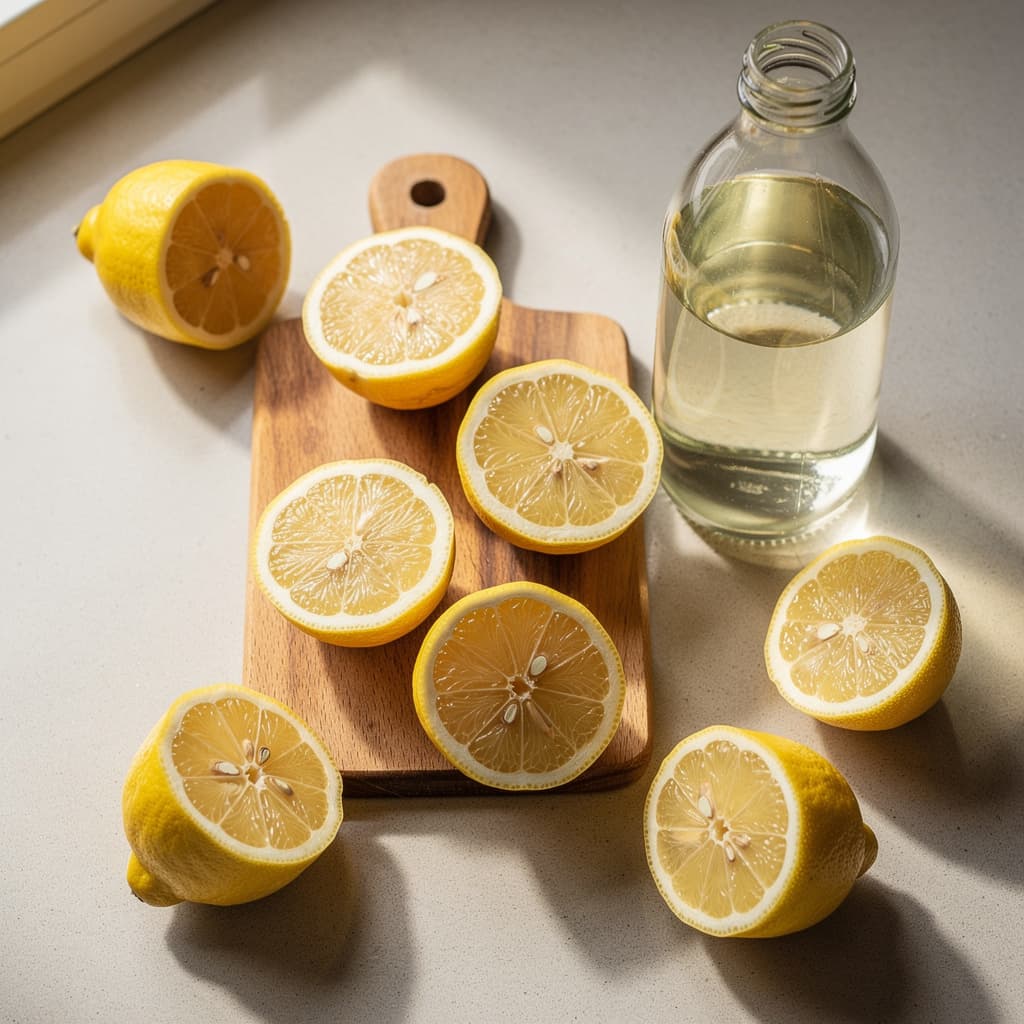
- Lemon and lime: excellent as a finishing touch for grilled vegetables, fish, salads, and soups. They give an immediate, fragrant lift.
- Wine and distilled vinegars (white, apple, sherry, rice): versatile for dressings, quick pickles, and deglazing a skillet. Each has a different flavor fingerprint; sherry is nutty, rice is gentle and sweet.
- Fermented ingredients (yogurt, buttermilk, miso, kimchi, pickles): bring acid plus umami and texture. They work when you want depth as well as brightness.
Think of citrus and bright vinegars for clarity and fermented items for complexity.
Simple heuristics you can use now
- For vinaigrettes, start with a 3:1 ratio of oil to acid, then tweak. If it’s too sharp, add oil or a pinch of sugar; if it’s dull, add more acid by the teaspoon.
- To finish a pan sauce, a small splash (a teaspoon or so) of vinegar or a squeeze of citrus often does more than salt alone.
- With protein marinades, use acid sparingly for delicate items (fish and shellfish: 10–30 minutes) and more cautiously with meat — prolonged exposure can make texture mushy (tough cuts tolerate longer, often hours).
- When a stew or braise tastes heavy, add acid at the end in small increments and let it rest for a minute before reassessing.
A tiny practice loop to build intuition
Taste, add, wait. Taste again. Start with a fraction of what you think you need — a quarter-teaspoon of vinegar or a small squeeze of lemon — give the dish 30–60 seconds to settle, then taste on a clean spoon. Repeat until it feels lively, balanced, and harmonious.
Common mistakes and how to avoid them
Don’t reach for acid as a bandaid for salty or undercooked food. Acid highlights flaws as well as strengths, so correct seasoning and doneness first. And remember: more acid isn’t always better; the goal is balance, not domination.
Acid is the secret that’s not a secret: with a few small, deliberate additions you can transform ordinary food into something bright and memorable. Taste often, start small, and let acid be your finishing brush rather than the whole painting.