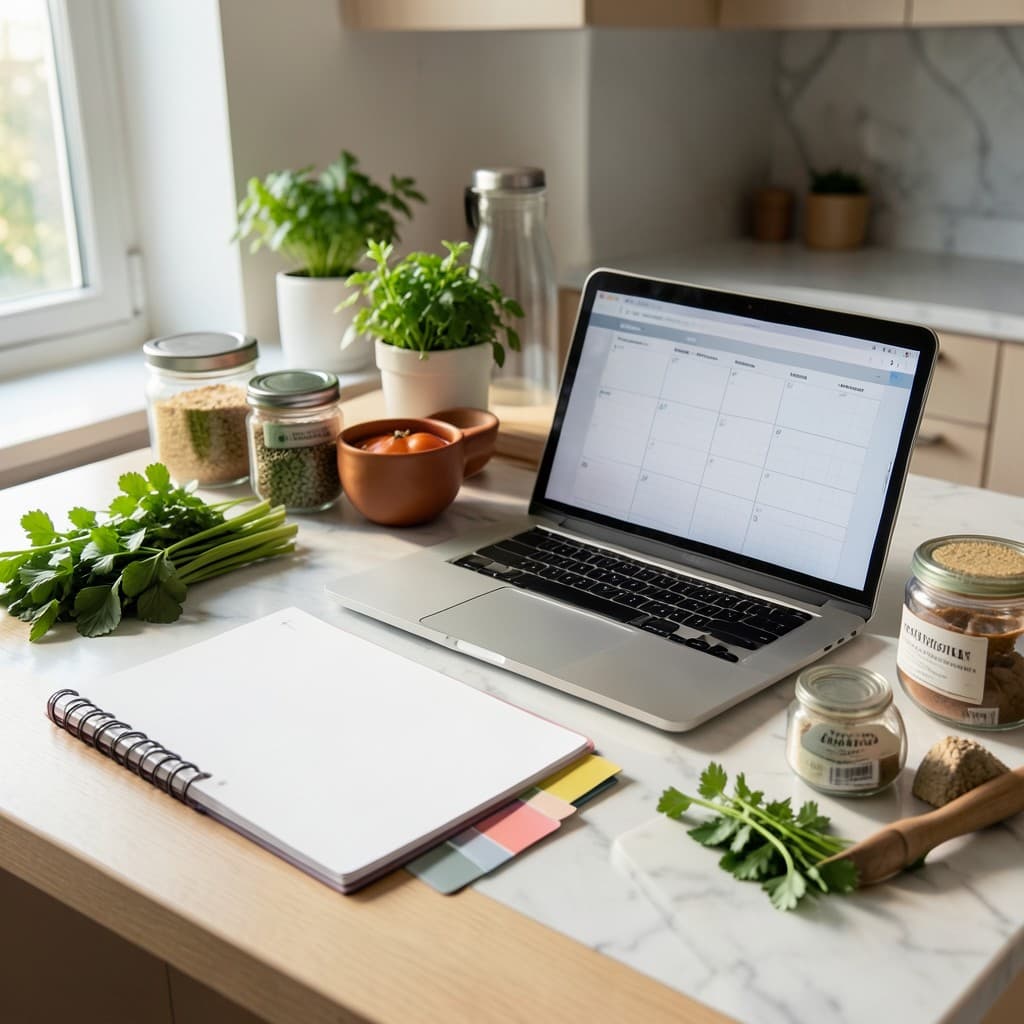
Stop Meal Planning Like a Spreadsheet
Ditch the color-coded tyranny: replace rigid weekly spreadsheets with flexible templates, smart anchors, and a small set of habits that reduce waste, stress, and decision fatigue.
There’s a seductive clarity to a perfectly color-coded meal plan. Boxes ticked, grocery lists generated, nights accounted for down to the hour. It feels productive — until life moves, tastes change midweek, and what was supposed to be an exciting lasagna night becomes takeout in pajamas.
Rigid meal planning treats cooking like calendar management instead of human life. It asks you to predict moods, energy, social invites, and leftovers with spreadsheet precision. The result is often burnout, waste, and the faint-but-durable resentment of “having to cook.” There’s another way: plan for patterns, not pixels.
Why spreadsheets fail the real rhythm of home cooking
Spreadsheets promise control but hide three costly assumptions: that your week will be perfectly predictable, that everyone will eat what’s planned, and that you’ll want to cook exactly what’s printed. Those assumptions bump into real life in simple ways — late meetings, a friend dropping by for dinner, a toddler rejecting peas, sudden cravings for something different.
Beyond the social and emotional mismatch, rigid plans create logistical waste. You buy ingredients for very specific recipes and then throw away half a pepper because you didn’t envision a backup. You double-batch a meal you hate on day two. Or you end up ordering out because you can’t be bothered to follow a multi-step recipe after a long day.
Finally, the spreadsheet approach increases decision fatigue rather than eliminating it. Choosing recipes, shopping lists, and exact timings every week is still a series of decisions. You’ve only moved the burden earlier in the week, not removed it.
The pattern-based approach: templates, anchors, and frictionless choices
Planning by pattern replaces exact recipes with reusable frameworks. Think of it as designing “meal types” you can remix based on what’s in your kitchen and how much time you have. A pattern gives you structure without demands — the balance between predictability (so dinner happens) and flexibility (so you actually enjoy it).
Three core levers to use:
- Templates: A handful of repeatable formats (grain bowl, sheet-pan roast, stir-fry, hearty salad) that accept many ingredient swaps.
- Anchors: Cook once, use often. Roast a protein, batch a grain, and transform them across meals.
- Slots: Designate nights by level of effort: fast, leftovers, project, and out/eat-up. Not every night needs a full recipe.
Practical templates you can apply tonight
Templates are not recipes; they’re composition rules. Each template lists a few interchangeable elements and a finishing cue you look for.
Grain bowl: grain + roasted veg + protein + sauce. Play with warm or cold, swap rice for farro, roast eggplant or broccoli, add canned chickpeas or leftover roast chicken. Finish when the grain is fluffy and the sauce tastes balanced — salty, acidic, and slightly sweet or spicy.
Sheet-pan roast: one pan, 2–3 vegetables, one protein, olive oil, salt, and a high roast temperature. Roast until edges are caramelized and the protein reaches its safe doneness or flakes easily. Toss with lemon and herbs to brighten.
Stir-fry: oil + aromatics + quick-cooking veg + thinly sliced protein + sauce. Cook on high heat so vegetables keep snap and sauce clings. Serve immediately for the right texture.
Hearty salad: greens + crunchy element + roasted or warm protein + tangy dressing. Build for contrast: soft vs. crisp, rich vs. acidic.
Heuristics, not rules: ratios and batch sizes that work
You don’t need exact recipes, but anchors benefit from consistent proportions and batch thinking. Try these rough guides:
- Grains: 1 part dry grain (cup) ➜ about 3 servings cooked. Cook a double batch to use across bowls and salads.
- Roasted veg: one large sheet pan yields 4–6 side servings. Roast mixed veg until browned at the edges.
- Proteins: 1.5–2 pounds of chicken, tofu, or fish can cover 3–4 meals when stretched with grains and veg.
- Sauce: make about 1/2 cup per 2–3 servings; a small jar goes a long way to change the character of leftovers.
These anchors let you assemble different dinners from the same set of ingredients — fewer shopping trips, less waste.
A simple one-week practice loop to test this approach
Try this small experiment: pick four templates, designate two nights as fast/leftovers, and leave one night open for eating out or an impulsive meal. Shop for flexible ingredients (see the short pantry list below), cook one or two anchors early in the week, and then assemble.
Helpful pantry essentials (a short, practical list):
- Olive oil, soy sauce or tamari, a jarred chili paste
- A sturdy grain (rice, farro, or quinoa)
- A neutral can of beans (chickpeas or black beans)
- A jarred acidic element: pickles, vinegar, or lemons
Keep the first week light on commitments. The goal is to see how often you can reuse the same elements in different, satisfying ways.
When patterns go wrong — quick diagnoses and fixes
If you find yourself bored, rotate one variable: a new sauce, a toasted grain, or a different herb profile. If you still waste food, cut batch sizes by a third and plan a “use-it-up” slot midweek. If a template feels like a chore because it’s unfamiliar, simplify: limit templates to two steps and work up from there.
If social life derails a plan (it will), keep ingredients versatile. Canned beans, quick grains, and a forgiving green make it easy to scale dinner up for guests or scale down to solo portions.
Planning that creates space, not obligation
A pattern-based system doesn’t mean chaos; it means designing for life’s unpredictability. You create fewer decisions up front, reduce food waste, and keep dinners enjoyable rather than dutiful. Over time, you build a small library of trusted templates and favorite flavor combinations that let you cook confidently, even on tired evenings.
The next time you feel the urge to color-code an entire month, try drafting a loose menu of templates instead. Your fridge will be lighter, your evenings calmer, and dinner — crucially — something you actually want to eat.
Taste as you go, borrow freely, and treat planning as a tool to give you breathing room, not another box to check.