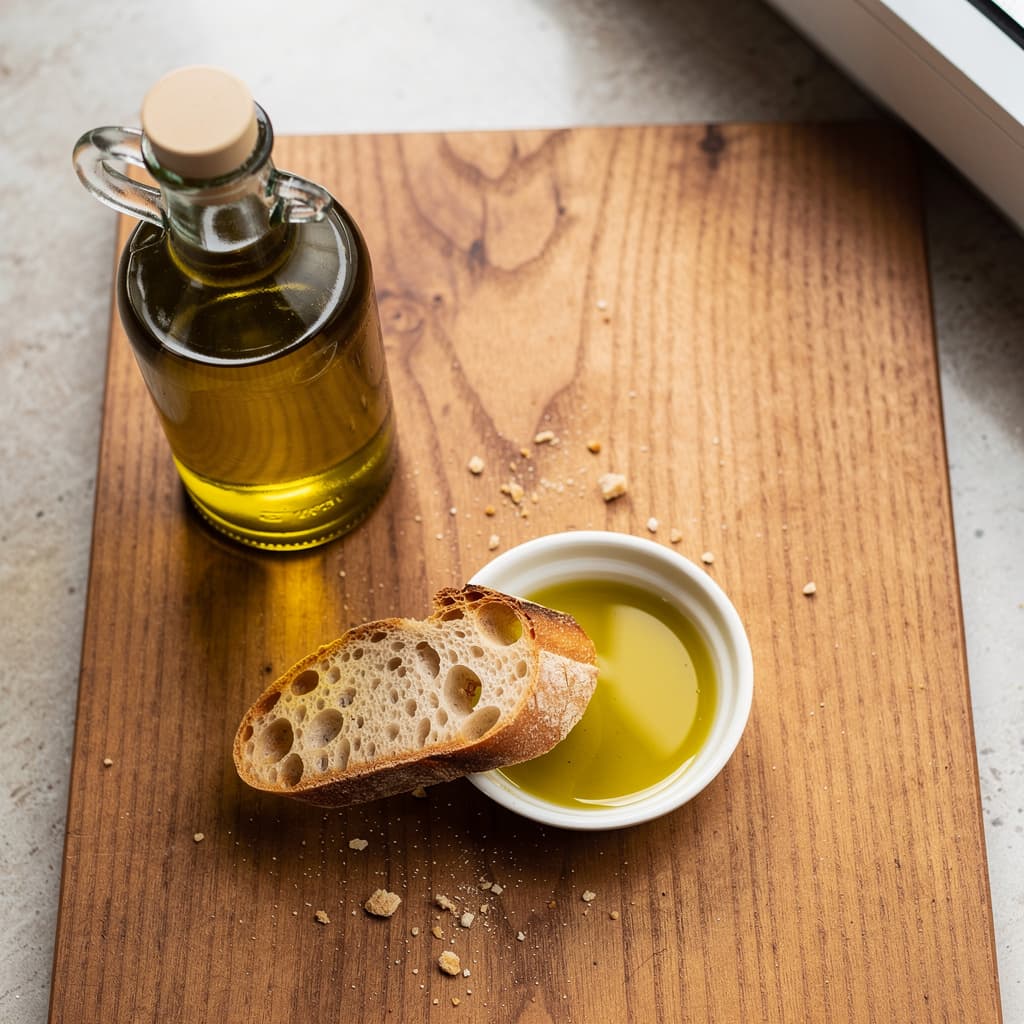
Olive Oil: What Actually Matters
Clear, practical guidance on choosing, storing, and using olive oil — what to look for on the label, when to use extra virgin, and simple tasting cues that actually matter.
The bottle of olive oil on your counter is part pantry staple, part personality statement — and often part marketing battlefield. Somewhere between elegant glass, poetic harvest dates, and confusing terms like first cold-pressed, the practical facts get lost. This guide cuts through the hype so you can buy, store, and use olive oil with confidence: discover the things that change a dish and the things that are mostly window dressing.
What “extra virgin” really means (and why it’s useful)
“Extra virgin” is the only olive oil grade that implies both chemical standards and sensory quality: low acidity and a pleasant aroma and taste with no defects. In practice, this means extra virgin olive oil (EVOO) can offer green, fruity, or peppery notes that add brightness to a finished dish.
But note: extra virgin is a sensory category, not a single flavor. Some EVOOs are grassy and delicate, others are bold and bitter. Choose a style that matches how you cook: delicate for simple salads and finished dishes; robust and peppery where you want the oil to assert itself (like grilled vegetables or a hearty bean stew).
What actually matters on the label
Look for a clear harvest or best-by date first — this beats most marketing terms. Olive oil is best within 12–18 months of harvest; after that it loses fruitiness and can become flat or rancid. Prefer a single harvest year when possible.
Next, choose dark glass or tins over clear bottles. Light accelerates degradation. Country of origin is informative, but a country name alone can hide blends. If provenance matters to you, seek oils labeled by region, estate, or with PDO/PGI certification.
Ignore or deprioritize terms like "cold-pressed" or superlatives. They’re often redundant or unregulated in many markets. Price can be an indicator — a very cheap EVOO is more likely to be a blend or older — but expensive doesn't guarantee you’ll like the flavor.
Freshness, not perfection
Freshness and flavor are the two practical things that change dishes. When olive oil smells fruity, grassy, or peppery and leaves a slight spice in the throat, it’s fresh. When it smells cardboardy, metallic, or simply dull, it’s past its prime.
Buy smaller bottles if you cook with oil daily and don’t have a cool, dark pantry. For occasional use, a half-liter tin is a friendlier purchase than a liter of clear-bottled oil you’ll never finish.
Heat: smoke point myths and real cooking choices
There’s a lot of fear about olive oil’s smoke point, usually framed as “EVOO smokes at low heat so don’t cook with it.” The truth is more nuanced. Smoke point varies by oil and depends on how refined it is. Extra virgin olive oil has a lower smoke point than refined oils on paper, but for most home cooking — sautéing, pan-frying, roasting at moderate temperatures — EVOO performs very well.
Useful rules of thumb:
- For gentle sautéing, finishing a dish, or making vinaigrettes, use EVOO for its flavor.
- For very high-heat searing (above ~450°F/230°C) use a more neutral, higher-smoke-point oil if you need a large amount of oil at high temperatures; or use less oil and a hot pan so browning happens quickly.
- Roasting vegetables at 400°F (200°C) with EVOO is common and practical — vegetables will roast beautifully and pick up the oil’s flavor.
The practical lesson: match the oil to the technique and be mindful of how much oil and how hot the pan will get.
Taste-first approach: how to pick an oil you’ll actually use
The best way to choose olive oil is to taste. If you can, smell a spoonful and taste a small sip. Look for three main impressions: fruitiness, bitterness, and peppery finish. A balanced, pleasant combination is what you want.
If tasting in a store isn’t possible, buy a small bottle and try it with one simple test: pour a spoonful over warm bread or roasted vegetables. If it makes the food better — brighter, more balanced, or interesting — it’s a keeper.
Where to use different styles of olive oil
Think in terms of finish and function. Use a delicate oil where you want subtlety — drizzled over fish, raw salads, or poached vegetables. Use a robust, peppery oil where you want the oil to be part of the flavor conversation — with grilled lamb, hearty soups, or brightening a bean dish.
For emulsions like mayonnaise or a classic vinaigrette, you can use a neutral-tasting oil or a milder EVOO if you want the acid and other aromatics to lead. A simple vinaigrette ratio to keep in mind is roughly 3 parts oil to 1 part acid, adjusted to taste.
Storage that keeps oil honest
Store olive oil in a cool, dark place away from the stove. Heat and light accelerate oxidation. Use a small, dark-bottled or tin container; don’t refrigerate — it will cloud and solidify (that’s harmless but inconvenient). If you buy a liter, plan to use it within a few months of opening.
Dealing with rancid oil and reuse
If oil tastes musty, flat, or soapy, it’s likely rancid — toss it. Don’t try to mask rancidity with spices; the flavors won’t recover. Reusing oil from frying is fine once or twice if it was used at low-medium heat and strained, but repeated heating accelerates breakdown and off-flavors.
Small experiments to build intuition
Try these gentle experiments to learn what you like:
- Drizzle a bold EVOO on warm, plain roasted potatoes and note how it changes texture and flavor.
- Make the same vinaigrette with two different oils (one delicate, one robust) and taste how they shift the balance.
- Warm a teaspoon of oil in a pan for a few seconds and inhale — it opens different aromatics than room-temperature tasting.
These quick exercises teach you which oils play nicely with which foods without committing to recipes.
Final, practical takeaway
Olive oil is a tool with personality: its freshness, flavor profile, and how you store it will change your cooking far more than many label claims. Buy small, dark-bottled extra virgin oils with a harvest date when you can, taste before you buy (or shortly after), and pick styles to match how you cook. Above all, trust your senses: the best olive oil in your kitchen is the one that makes your food taste better.
Taste, experiment, and keep it simple — a good bottle of olive oil is one of the most generous and forgiving investments in a home cook’s pantry.