How to Build Layers of Flavor (Without Fancy Ingredients)
Practical ways to make everyday dishes taste deeper and more deliberate using pantry basics—salt, fat, browning, acid and aromatics rather than fancy ingredients.
There’s a quiet satisfaction in food that tastes like it took longer to make than it actually did. That richness usually isn’t magic; it’s layers—small, intentional moments where you add something that nudges the dish in a new direction. The good news is you don’t need exotic sauces or rare spices to do it. You need intention and a few simple techniques.
The first layer: a steady base of salt, fat, and heat
Before chasing umami bombs, make sure the foundations are in place. Salt is the invisible architect: it amplifies and shapes flavor. If you cook without tasting and seasoning as you go, the later layers have nothing to work on. Two practical anchors: if you use a kitchen scale, aim for roughly 1% salt by weight of your main ingredient (for example, 10g salt for 1kg of vegetables or protein). If you don’t use a scale, think in cups and teaspoons: about 1/4–1/2 teaspoon kosher salt per cup of chopped vegetables is a useful starting point.
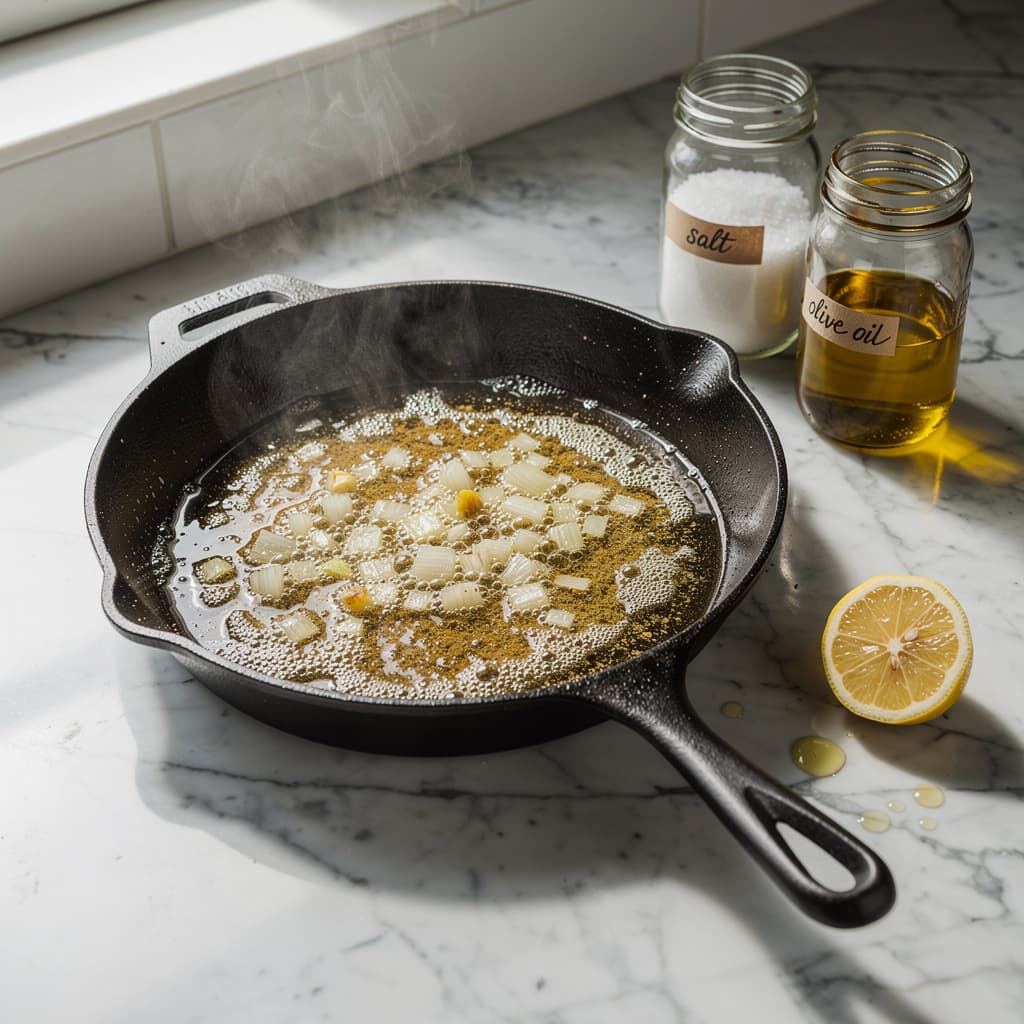
Fat and heat are partners. A bit of oil or butter transfers heat and dissolves fat-soluble flavors, while the temperature controls the type of flavor that develops. Low and slow gives sweetness and silk; a hot, dry pan gives browning and savory notes. Don’t overcrowd the pan—crowding steams rather than browns and flattens your flavor profile.
Middle notes: build depth with browning and concentration
Browning—whether of meat, onions, mushrooms, or the sticky bits left behind in a pan—is one of the most reliable ways to add depth. That maillard flavor isn’t fancy; it’s chemistry. Let onions go beyond translucent to golden-brown and you’ll taste richer, sweeter notes. Toasting whole spices briefly in a dry pan until they’re fragrant also wakes them up.
Concentration is the other tool here. Reduce a broth, sweat vegetables until they collapse and concentrate, or cook tomato paste in oil until it darkens and smells caramelized. These moves take water away and intensify the savory and sweet compounds that make a dish feel complex.
Timing cues to watch for: onions typically go from translucent to sweet and golden in 10–20 minutes over medium-low heat; a spoonful of tomato paste will show a darker, slightly nutty smell after 2–4 minutes in warm oil. Toast whole spices for 1–2 minutes, stirring, until they become aromatic—longer and they burn.
The lift: brighteners and contrast
After you’ve concentrated and layered the deeper notes, you’ll often want a lift so the dish doesn’t feel heavy or one-dimensional. Acids—vinegars, lemon juice, a splash of wine—cut through fat and open aromas. Start small: add a teaspoon, taste, then adjust. Fresh herbs and aromatics (like parsley, basil, scallions, or grated zest) work similarly: they give a sense of immediacy and freshness.
A little salt and acid at the end of cooking often does more than the same amount added early. Salt added at the finish sharpens perception; acid added late keeps brightness. Think of these as finishing touches rather than primary seasoning.
Umami without the label: pantry shortcuts that actually work
You don’t need specialty products to create savory depth. A few pantry items act like concentrated umami shortcuts when used judiciously: a splash of soy sauce, a tablespoon of miso dissolved into a warm liquid, a spoonful of anchovy paste melted into oil, or a smear of tomato paste browned in a skillet. Use them as supporting players, not headline ingredients, and balance with salt and acid.
Small amounts go a long way—try a teaspoon or tablespoon-level addition to a pot and taste. If you’re making a batch and want to preserve clarity, dissolve miso in a ladle of warm broth before adding, and avoid boiling miso vigorously so it keeps its nuanced aroma.
Texture and contrast: why crunch and fat matter
Flavor isn’t only taste; it’s also mouthfeel and contrast. A silky stew benefits from a final sprinkle of toasted nuts, crisped breadcrumbs, or a quick sauté of greens to add chew. Fat adds richness and carries flavor across the palate—finish a sauce with a pat of butter or a drizzle of good oil for a glossy, cohesive finish. These are small moves with outsized effects.
A simple worked example (not a recipe): turning a plain skillet tomato into something memorable
Imagine canned tomatoes, garlic, and basic pantry oil—totally ordinary. You can build layers like this: start by softening garlic slowly to avoid bitterness, then raise heat and add a spoonful of tomato paste to darken and caramelize it briefly. Deglaze the pan with a splash of water, wine, or broth to lift the fond (those browned bits), then let the tomatoes simmer to concentrate. Taste and balance near the end with salt, a squeeze of lemon or vinegar to brighten, and a swirl of olive oil or butter to finish. Add a handful of fresh basil or parsley at the very end for lift.
This is a blueprint rather than a strict set of steps: the levers are browning, reduction, deglazing, acid, fat, and freshness. Mix and match them depending on what you have and how much time you want to spend.
Troubleshooting: common missteps and quick fixes
If a dish tastes flat, add salt in small increments—salt unlocks other flavors. If it tastes too heavy or one-note, introduce acid or fresh herbs. If it’s bitter from overcooked garlic or burnt bits, dilute with liquid and finish with a touch of sweetness (honey, a pinch of sugar) and acid. If your sauce lacks body, reduce it a little more or finish with a small knob of butter.
Practice loop: get comfortable with taste checks
Next time you cook, choose one dish and intentionally add one layer at a time: season early, brown something, deglaze, reduce, then finish with acid and fat. Taste after each change. Over time you’ll internalize which levers to pull and when.
A final note: building layers of flavor is less about following rules and more about curiosity—taste, tweak, and notice what a small change does. With a few pantry staples and a willingness to slow for a minute or two, everyday cooking becomes clearer, richer, and more satisfying.